By the Snail Ukuleles team — UK ukulele specialists with 40 years of experience
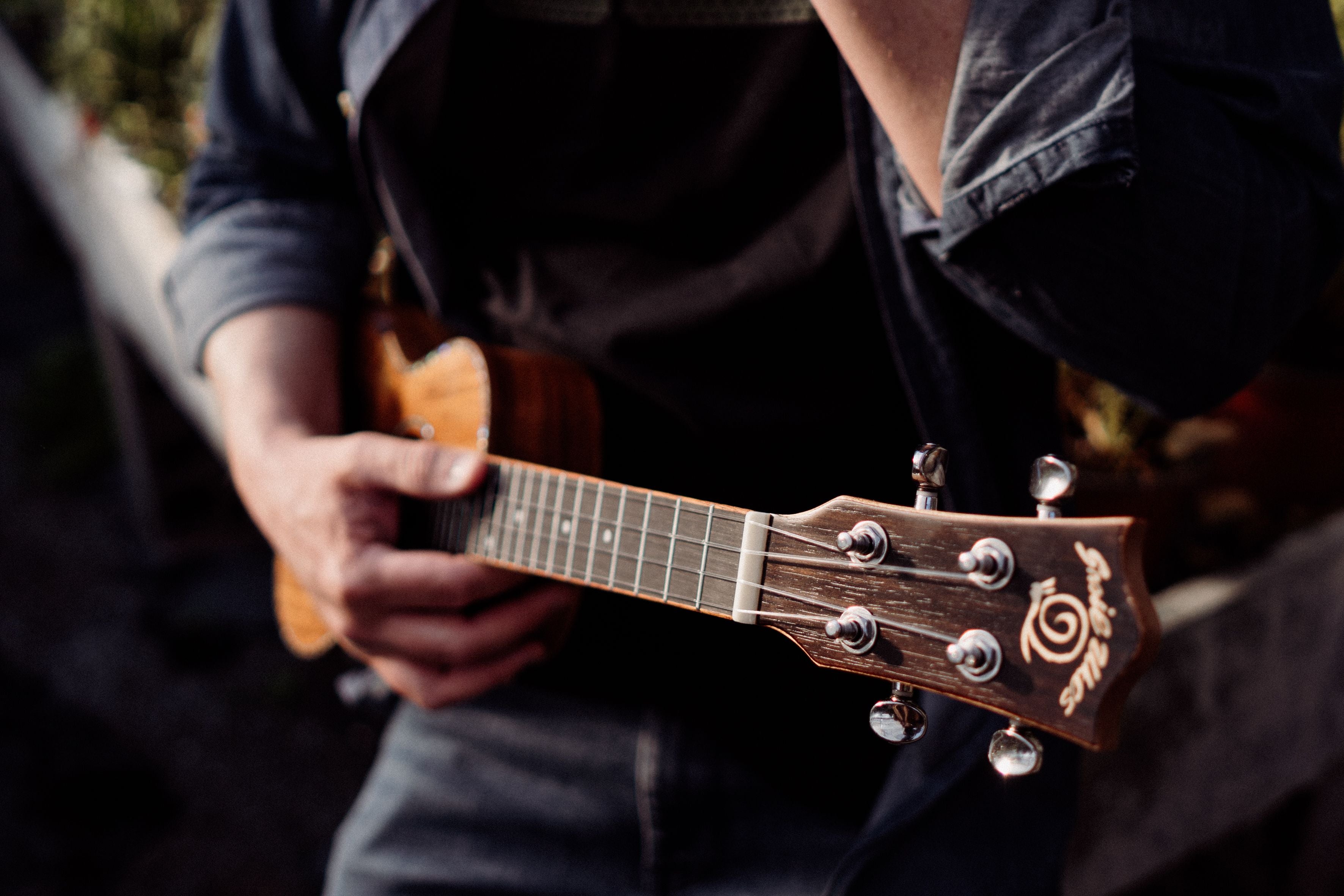
Pick up two ukuleles of the same size and shape, and they can sound completely different from one another. The reason, more often than not, comes down to the wood. Tonewood — the timber used to build the body, top, back, sides, fingerboard and bridge — shapes the character of every note your ukulele produces. It affects warmth, brightness, sustain, dynamic range, and even how the instrument feels under your fingers.
This guide explains every tonewood used across the Snail range in plain English. By the end, you'll understand exactly what to expect from each one — and which might be right for you.
For a visual overview, visit our tonewood guide page.
Does tonewood really matter?
The honest answer is: yes, but not equally at every level. Construction matters more than wood species when you're starting out. A well-built laminate mahogany ukulele will sound better than a poorly made solid wood one, every time. What separates beginner, intermediate and professional instruments is a combination of construction quality, tonewoods, and hardware — all three working together.
The key distinction is solid vs laminate construction. Laminate wood is made from layers of timber pressed together — it's consistent, durable, and resistant to humidity and temperature changes. Solid wood is a single piece of timber. It resonates more freely, produces more complex overtones, and crucially, it improves with age as the fibres loosen with vibration. A solid wood instrument played regularly for five years will sound noticeably better than it did when new. A laminate instrument will sound much the same.
At beginner and intermediate levels, quality laminate is entirely appropriate — and often preferable for durability. At the professional level, solid wood is the standard.
Mahogany — warm, rich, timeless
Mahogany is the most widely used tonewood in ukulele making, and for good reason. It produces a warm, mid-forward tone with excellent sustain — full-sounding without being bright or harsh. Where some tonewoods can feel demanding or characterful, mahogany is forgiving. It suits almost every playing style but particularly rewards fingerpicking, folk and traditional ukulele playing.
It's the tonewood of choice for players who want a classic ukulele sound — the kind you'd hear on Hawaiian recordings from the 1920s through to the modern day. Rich, warm and inviting.
Snail mahogany models include the Hola HM124MG, C03 and C06, and the professional all-solid S10C Concert and SUT-M3 Tenor.
Ebony — bright, articulate, precise
Ebony sits at the opposite end of the tonal spectrum from mahogany. It's a dense, hard wood that produces a bright, crisp attack with excellent note separation and clarity. Where mahogany blends notes into a warm whole, ebony articulates each one cleanly. Chord changes ring out with precision. Individual notes in a melody have a defined, almost percussive quality.
Players who want clarity — particularly those who play lead lines, chord melody or classical-influenced fingerpicking — often prefer ebony's character. It's also one of the most visually striking tonewoods: near-black with a smooth, consistent grain.
What makes Snail's ebony instruments particularly notable is that the fingerboard and bridge are also ebony — a specification more commonly seen on instruments at a higher price point. This gives tonal consistency across the entire instrument. See the UKC-E498 Ebony Concert and the UKS-E220 Ebony Soprano.
Acacia and Koa — the Hawaiian standard
Koa is the traditional Hawaiian ukulele wood — the original material used when the instrument was first developed in the islands in the 19th century. True koa is expensive and in short supply, so many makers use acacia, koa's close botanical relative, which delivers a very similar tonal profile.
Acacia produces a complex, nuanced tone that sits between mahogany's warmth and ebony's brightness. There's a sparkle to the high frequencies and a warmth to the mids — at its best, it has a depth and complexity that other tonewoods can't quite replicate. It's considered the benchmark Hawaiian sound.
The BHC-8C Acacia Concert features a solid acacia top — the wood resonates freely, and the tone will develop significantly over time. The SEU-1T Electro Tenor pairs flamed acacia with a solid okoume body for a performance-ready instrument.
Zebrawood — distinctive looks, balanced tone
Zebrawood is immediately recognisable by its bold striped grain — dark brown streaks against a lighter base wood, producing a pattern that genuinely does resemble a zebra's markings. No two zebrawood instruments look exactly alike.
Tonally, zebrawood sits in the middle ground — warm enough to be pleasing, with enough brightness for good articulation. It has good sustain and a lively quality to its response. Players who want something that sounds and looks distinctive without the extreme character of ebony or acacia often land on zebrawood.
Snail zebrawood models span all sizes: the UKS-215E Soprano, UKC-480E Concert, and UKT-528E Tenor.
Flamed Maple — bright, punchy, visually stunning
Flamed maple — also called figured maple — is familiar from violin and guitar making, where its striking visual figure (a rippling, almost three-dimensional pattern in the grain) has made it a hallmark of premium instruments for centuries. On a ukulele, it delivers a bright, punchy tone with excellent projection.
In the Snail SEU electric range, flamed maple appears as a veneer over a solid okoume body — giving you the visual character of maple with the warm resonance of okoume underneath. The result is a bright-warm balance that works particularly well through a pickup. See the SEU-2C Concert and SEU-2T Tenor.
Bocote, Walnut, Quilted Ash and Spalted Maple
Bocote is a Mexican hardwood with a warm, rich tone and excellent sustain. Its grain features bold dark streaks on a golden-brown background. Tonally, it sits close to mahogany but with a slightly more complex character. The UKT-520 Bocote Tenor is a popular choice for players who want something a little different from standard mahogany.
Walnut produces one of the darkest, warmest tones in the range — rich, full and sustained. Its grain is beautiful: smooth, with flowing dark lines. It sits between mahogany's warmth and ebony's precision, making it a versatile wood that suits a wide range of playing styles.
Quilted ash is notable as much for its appearance as its sound. The quilted figure — a three-dimensional, wave-like pattern in the grain — makes every instrument unique. Tonally, it's balanced and clear with good projection. The UKC-470 Quilted Ash Concert is one of the most visually arresting instruments in the range.
Spalted maple gets its distinctive dark veining from fungal growth in the wood during seasoning — a natural process that creates patterns unique to each piece. Tonally it's warm with a bright maple edge. The BH-1C Spalted Maple Concert, with its iconic teardrop soundhole, is an instrument as much for display as for playing.
Which tonewood is right for you?
There's no wrong answer — it comes down to what kind of sound you're drawn to and what you'll be using the instrument for. As a rough guide: mahogany for warmth and tradition; ebony for clarity and precision; acacia for complexity and Hawaiian character; zebrawood for balance and visual interest; maple for brightness and punch.
If you're unsure, call us on 0113 457 5222 or email sales@snail-ukulele.com — we're happy to talk through which tonewood suits the kind of music you want to play.